

Key Takeaways
Roof Damage Escalation
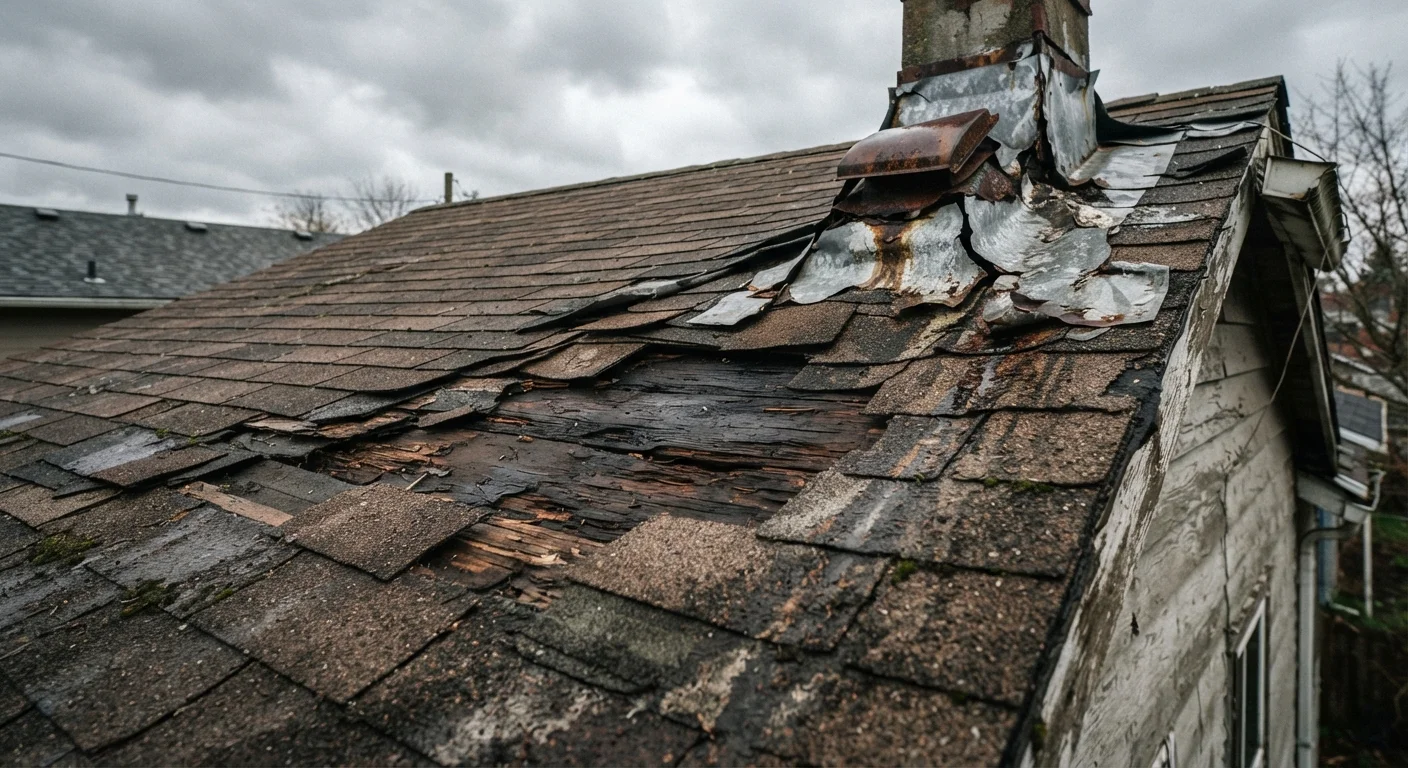
Roof damage escalation describes the process by which a small, inexpensive roofing problem — such as a cracked shingle or a minor gap in flashing — grows into a much larger, costlier issue over time. Water, wind, and temperature changes exploit any weakness, steadily enlarging the affected area. What might cost a modest service call to fix in its early stage can multiply many times over once moisture reaches structural components.
Roofing professionals refer to the point where water breaches the roof deck as a 'primary infiltration point.' Once moisture enters the decking or underlayment, secondary damage to insulation, rafters, and interior finishes typically follows rapidly.
How a Minor Defect Opens the Door to Major Damage
A roof is a system, not just a surface. Every shingle, piece of flashing, ridge cap, and sealant joint works together to direct water away from your home's structure. When any single component fails — even slightly — it creates an entry point that water, wind, and freezing temperatures are quick to exploit.
Consider a small area of lifted or cracked flashing around a chimney. On a dry day, it looks like a cosmetic issue. During a rain event, however, water channels directly behind that flashing and into the roof deck below. The deck absorbs moisture, the underlayment degrades, and eventually water reaches insulation or ceiling framing. Each rain event makes the situation worse. What began as a localized repair becomes a multi-trade job involving roofing, insulation, and possibly drywall.
This pattern — minor defect leads to cascading structural damage — is consistent and predictable. It mirrors the broader principle explored in the real cost of deferred home maintenance: putting off small repairs typically multiplies the eventual bill.
~40%
Of homeowners' insurance claims involve water damage
Water and moisture-related claims consistently represent a substantial share of home insurance losses, with roof failures being a primary entry point, according to industry data from major U.S. insurers.
3–5×
Cost multiplier when roof damage reaches the deck
Roofing professionals commonly estimate that repairs involving decking replacement, insulation, and interior remediation cost several times more than surface-only repairs addressing the same originating defect.
2× yearly
Recommended professional roof inspection frequency
Industry guidance from roofing trade organizations generally recommends inspections in spring and fall to catch weather-related damage before it compounds through subsequent seasons.
Common Small Issues That Homeowners Overlook
Several types of roof defects are easy to miss during a casual glance from the ground, yet each carries significant escalation potential:
- Cracked or missing shingles: Asphalt shingles become brittle with age and UV exposure. A single broken shingle exposes the underlayment, which is not designed for prolonged weather contact.
- Lifted or separated flashing: Metal flashing seals joints around chimneys, vents, skylights, and wall intersections. When it lifts or corrodes, these are among the most common water infiltration points on any roof.
- Granule loss: Asphalt shingles rely on their granule coating to reflect UV and shed water. Heavy granule loss — visible as grit accumulating in gutters — accelerates shingle breakdown. This connects directly to the relationship between gutters and water damage that many homeowners underestimate.
- Cracked ridge caps or hip shingles: These high-exposure pieces take the brunt of wind stress and are frequently the first to fail.
- Blocked or damaged roof vents: Proper attic ventilation prevents moisture buildup beneath the deck. A crushed or debris-blocked vent contributes to condensation damage from the inside out.
Many homeowners assume that if there is no visible interior leak, the roof is sound. This is a common misconception — home maintenance myths like this one can lead to serious long-term damage before any drip appears indoors.
Inspect From the Ground First
You do not need to climb onto your roof to perform a basic visual check. Use binoculars from ground level after any major storm to look for obvious shingle damage, lifted edges, or debris accumulation around vents and flashings. Follow up any ground-level concerns with a professional inspection — never attempt to walk a steep or high roof without proper training and safety equipment.
The Cost Multiplier: Why Waiting Rarely Saves Money
The financial case for early intervention is straightforward. A cracked shingle or minor flashing repair generally involves minimal material and labor. The same location left unattended for one or two wet seasons may require replacement of the underlying roof decking (plywood or OSB sheathing), new underlayment, sections of insulation, and repair to interior finishes if water has entered living spaces.
Structural timber that has experienced prolonged moisture exposure can also develop mold, which introduces remediation costs and health considerations entirely separate from the roofing repair itself. At that stage, the job is no longer a roofing task — it involves multiple contractors and, depending on scope, may require permits.
Understanding where your DIY ability ends and professional work begins is critical here. Knowing the boundary between DIY and licensed trade work is especially important with roofing, where both fall risk and the potential for improper repairs causing further damage are real concerns.
What to Do When You Spot a Potential Problem
Homeowners can take several practical steps without ever climbing onto the roof:
- Inspect from the ground with binoculars after any significant storm, looking for lifted, missing, or discolored shingles and any visible sagging sections.
- Check your attic after rain for signs of moisture, staining on rafters, wet insulation, or daylight visible through the roof boards.
- Inspect gutters for excessive granule accumulation, which signals advancing shingle wear.
- Document what you see with photos and dates, which can be useful for insurance discussions if damage later escalates.
- Contact a licensed roofing contractor for a professional inspection whenever you observe anything concerning. Reputable contractors typically offer inspection services and can provide a written assessment.
Roof work — particularly anything requiring time on a pitched surface — carries genuine fall hazard. This is not an area to cut corners on safety. A qualified professional has appropriate training, insurance, and equipment to work safely at height.
This article is for general informational purposes only and does not constitute professional roofing, construction, or safety advice. Always consult a licensed roofing professional for assessment of your specific situation, and verify local permit and code requirements before undertaking any roofing work.