

Key Takeaways
Summary
22 items · 20–40 minutes to prepare, plus the appointment itself
Why Annual Wellness Exams Matter More Than You Think
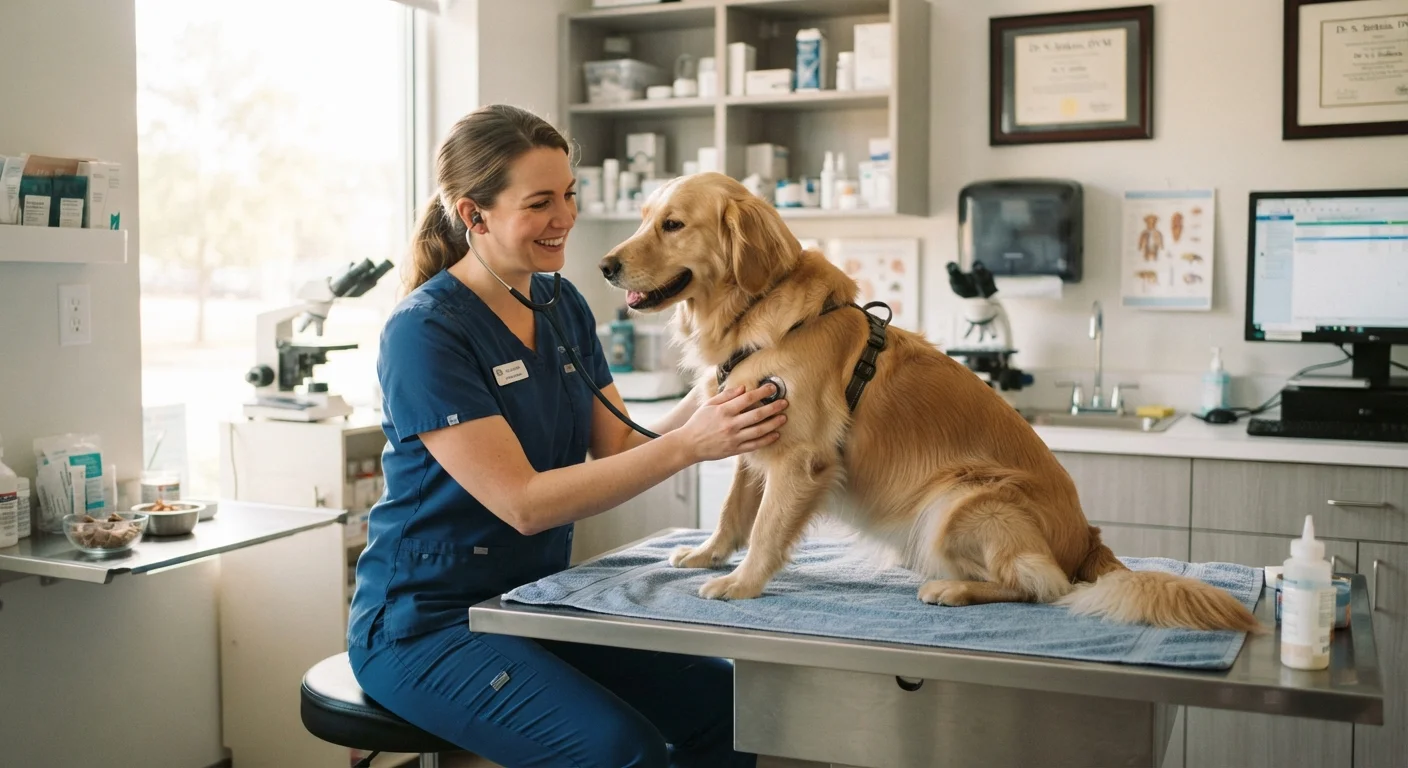
Dogs age far faster than people, meaning a single year between vet visits can represent a significant portion of their lifespan. An annual wellness exam isn't just a vaccination update — it's a full-system health assessment that can catch emerging conditions like kidney disease, heart murmurs, or early dental disease well before they become serious. Veterinary guidelines widely support yearly exams for adult dogs, with more frequent visits recommended for puppies, seniors, and dogs with chronic conditions.
This checklist is designed to help you prepare thoroughly, make the most of the appointment, and follow through on any action items your vet recommends. Think of it as your annual partnership audit with the professional who knows your dog's health history best. For a broader view of care across your dog's entire life, see the complete dog care guide covering every stage from puppyhood to senior years.
Before the Appointment
Vaccinations and Preventive Medications
Physical Health Assessment
Diagnostics and Lab Work
After the Appointment
Tools and Records to Have Ready
Walking into your appointment organized saves time and helps your vet provide better care. Gather these items before your visit.
Vaccination and health records
Allows your vet to confirm which vaccines are current and review your dog's full medical history without relying on memory.
Fresh fecal sample
Required for an intestinal parasite screening — the most accurate method for detecting common worms and protozoa.
Written list of questions and observations
Ensures you cover every concern during the appointment and reduces the chance of forgetting important details under time pressure.
Current food packaging or photo
Gives your vet accurate information about your dog's diet, including ingredients, caloric density, and portion guidance.
A favorite treat or toy
Can help reduce your dog's anxiety during the exam by providing a positive association with the clinic environment.
Key Areas Your Vet Will Assess — and What to Watch For
Understanding what your vet is looking for helps you provide better observations and ask smarter questions. During a typical wellness exam, your vet will perform a nose-to-tail physical assessment covering eyes, ears, teeth, lymph nodes, coat, abdomen, joints, and heart and lung sounds. Each system tells a story, and your day-to-day observations as an owner add crucial context a vet can't get from a 30-minute exam alone.
Senior Dogs Need More Frequent Exams
Dogs aged seven and older are generally considered seniors, and their health can change more rapidly than in younger years. Most veterinary guidelines recommend twice-yearly wellness exams for senior dogs to allow earlier detection of age-related conditions such as kidney disease, thyroid dysfunction, arthritis, and cognitive changes. If your dog is approaching or past this age, ask your vet whether a semi-annual schedule is appropriate.
Dental health is one of the most frequently overlooked areas. Periodontal disease affects a substantial proportion of adult dogs and is largely preventable with consistent home care and professional cleanings. See our dedicated resource on dental health in dogs for a deeper look at causes, warning signs, and daily habits that protect your dog's teeth.
Weight and body condition are assessed using a standardized body condition score (BCS), a scale that evaluates fat and muscle coverage regardless of breed size. If your vet flags a weight concern, they'll likely ask about your dog's current diet and activity level — so be prepared to be specific. Exercise needs vary significantly by breed, age, and health status, which is worth understanding before you arrive.
Don't Skip the Visit If Your Dog Seems Healthy
Many serious health conditions — including early kidney disease, heart murmurs, and certain cancers — produce no obvious symptoms in their early stages. Dogs are also instinctively inclined to mask discomfort. An annual physical exam is the most reliable way to catch these conditions while they're still highly manageable, regardless of how well your dog appears to be doing at home.
If your dog has not been spayed or neutered, or if you've recently had that procedure done, the annual exam is a good time to discuss the current evidence with your vet. The timing and health trade-offs involved are more nuanced than commonly assumed — our article on spaying and neutering covers the research in plain language.
This article provides general educational information for dog owners and is not a substitute for personalized veterinary advice. Always consult a licensed veterinarian for guidance specific to your dog's health, age, and breed.