

Key Takeaways
Deferred Home Maintenance
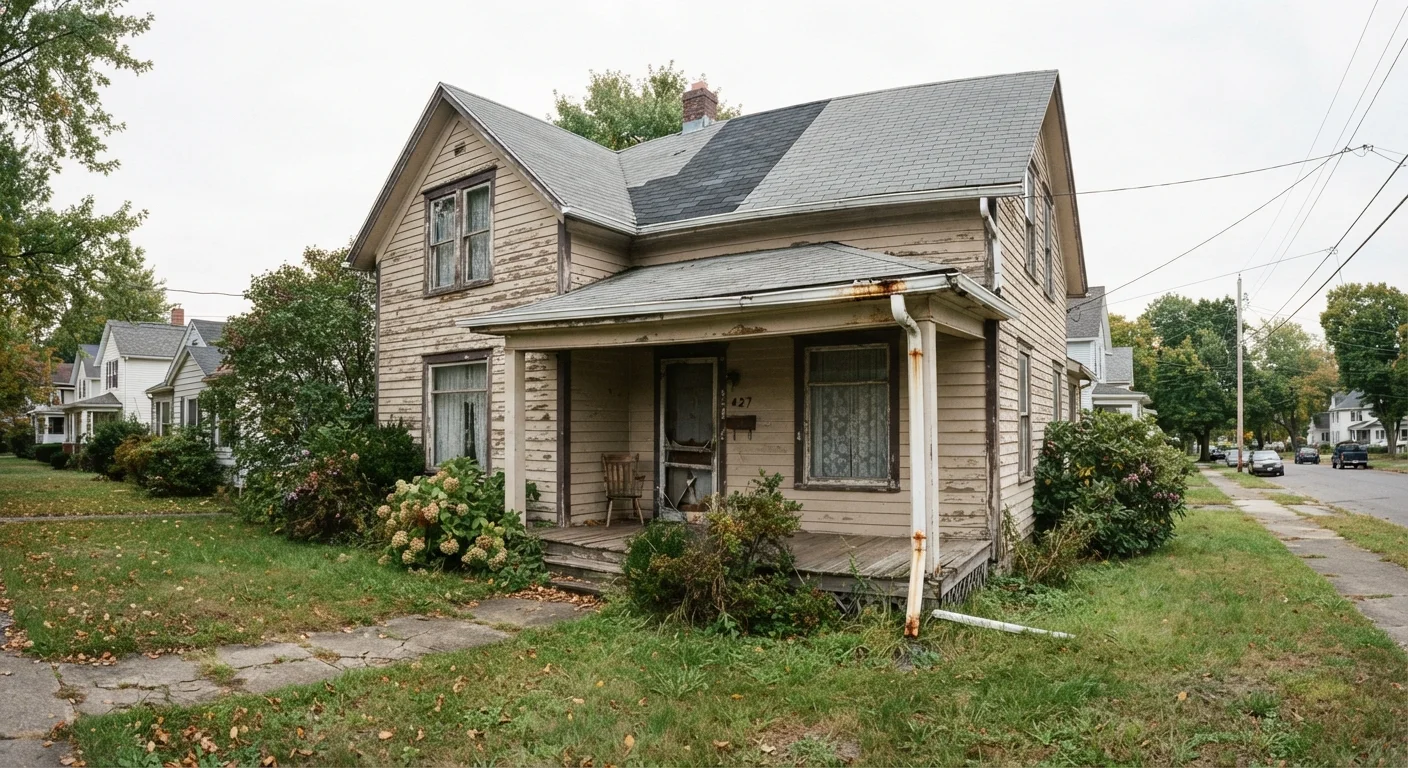
Deferred home maintenance refers to repairs, inspections, or upkeep tasks that a homeowner postpones rather than addressing promptly. These are often small issues that seem manageable or non-urgent in the moment. Over time, however, delay allows underlying problems to worsen, turning affordable fixes into expensive restoration projects.
In real estate appraisal, deferred maintenance is a formal term used to describe observable deterioration that reduces a property's value — factored directly into assessed worth during valuations.
Why Small Problems Don't Stay Small
A cracked caulk bead around a window. A loose shingle. A slow drip under the sink. Each seems trivial in isolation — the kind of thing it's easy to file under "I'll get to it eventually." But homes are interconnected systems, and minor failures in one area routinely destabilize others.
Water is the most common accelerant. A compromised seal lets moisture into a wall cavity; over weeks, that moisture encourages mold growth, softens framing, and may begin to affect insulation performance. What began as a $20 tube of caulk becomes a multi-thousand-dollar remediation job. The same compounding logic applies to roofing, gutters, HVAC filters, and foundation drainage. See our guide to how minor roof damage escalates for a detailed example of how fast this progression can move.
The core financial reality: remediation costs tend to grow non-linearly. Fixing the source of a problem when it's fresh is almost always cheaper than repairing the source plus the secondary damage it caused while you waited.
Catch It Early With a Simple Checklist
You don't need to be a contractor to spot early warning signs. Once or twice a year, walk the perimeter of your home looking for cracked caulk, gaps in flashing, downspout discharge pooling near the foundation, and any signs of rot or moisture staining. Interior walkthrough: check under sinks, around the base of the water heater, and along basement walls for staining or efflorescence. Catching these early almost always keeps repair costs manageable.
The Hidden Cost to Property Value
Deferred maintenance doesn't just cost money in repairs — it costs money in equity. During a home appraisal or buyer inspection, visible deterioration raises red flags. Buyers may request price reductions, repairs before closing, or walk away entirely. Lenders can also be affected: appraisers note deferred maintenance as a formal valuation adjustment.
Beyond the transaction moment, a poorly maintained home loses competitiveness in any market. Neighbors who invest in upkeep set the comparable sale prices that influence your own home's worth. Staying on top of maintenance isn't just about avoiding repair bills — it's a form of protecting the investment the home represents.
1–3%
Recommended annual maintenance budget as share of home value
This is a commonly cited general guideline among housing and financial planning sources; actual costs vary based on home age, size, and regional conditions.
10x
Potential cost multiplier when water damage is left unaddressed
Industry restoration professionals consistently note that water intrusion damage grows significantly the longer remediation is delayed, particularly when mold establishes.
If you're refinancing or planning to sell within a few years, understanding which deferred items carry the most valuation weight is worth discussing with a licensed appraiser or real estate professional in your area.
The Most Common Deferral Traps
Certain maintenance categories consistently appear in expensive remediation stories because they're either invisible, inconvenient, or assumed to be "someone else's problem eventually."
- Roof and gutters: Blocked gutters cause water to back up against fascia and into foundations. A minor shingle failure left through winter can allow ice damming that damages decking and interior ceilings.
- HVAC systems: A clogged filter strains a system that may already be aging, shortening its lifespan and increasing energy use. Annual servicing by a qualified technician is far less expensive than early equipment replacement.
- Grading and drainage: Soil that slopes toward the foundation directs rainwater into the basement or crawl space. Correcting grading early prevents the far costlier intervention of waterproofing or structural repair.
- Caulking and weatherstripping: Failed seals around windows and doors are among the cheapest fixes available — and among the most commonly skipped. They affect both energy efficiency and moisture intrusion.
Many of these issues are covered in a structured seasonal approach to upkeep. Our seasonal home maintenance guide walks through exactly what to check and when throughout the year.
How to Break the Deferral Habit
The most effective strategy isn't about spending more — it's about spending earlier and more deliberately. A few practical approaches:
- Create a home maintenance log. Note the age of major systems (roof, HVAC, water heater) and track when each was last serviced. This turns vague anxiety into concrete, schedulable tasks.
- Do seasonal walkthroughs. A brief visual inspection each season catches problems at the point when they're still inexpensive to address. Look for cracked caulk, debris in gutters, settling around the foundation, and signs of water staining inside.
- Separate cosmetic from structural. Not all deferred tasks carry equal risk. Prioritize anything involving water, structural integrity, or safety systems first. Cosmetic issues can follow.
- Know your limits. Some tasks are well within DIY reach; others genuinely require licensed professionals — both for safety and because unpermitted work can create liability and inspection problems later. Our DIY boundary guide helps clarify where that line sits.
It's also worth being aware of widespread misconceptions that cause homeowners to underestimate risk. The common home maintenance myths that shape how people think about upkeep are often the same ones that enable costly neglect.
Permits and Licensed Trades: Don't Skip the Step
For electrical, gas, structural, and significant plumbing work, most US jurisdictions require permits and licensed contractors. Unpermitted work can affect your ability to sell, void homeowner's insurance claims, and create liability if something fails. Always check your local building department's requirements before starting any project beyond routine maintenance.