

Key Takeaways
Defensive Driving
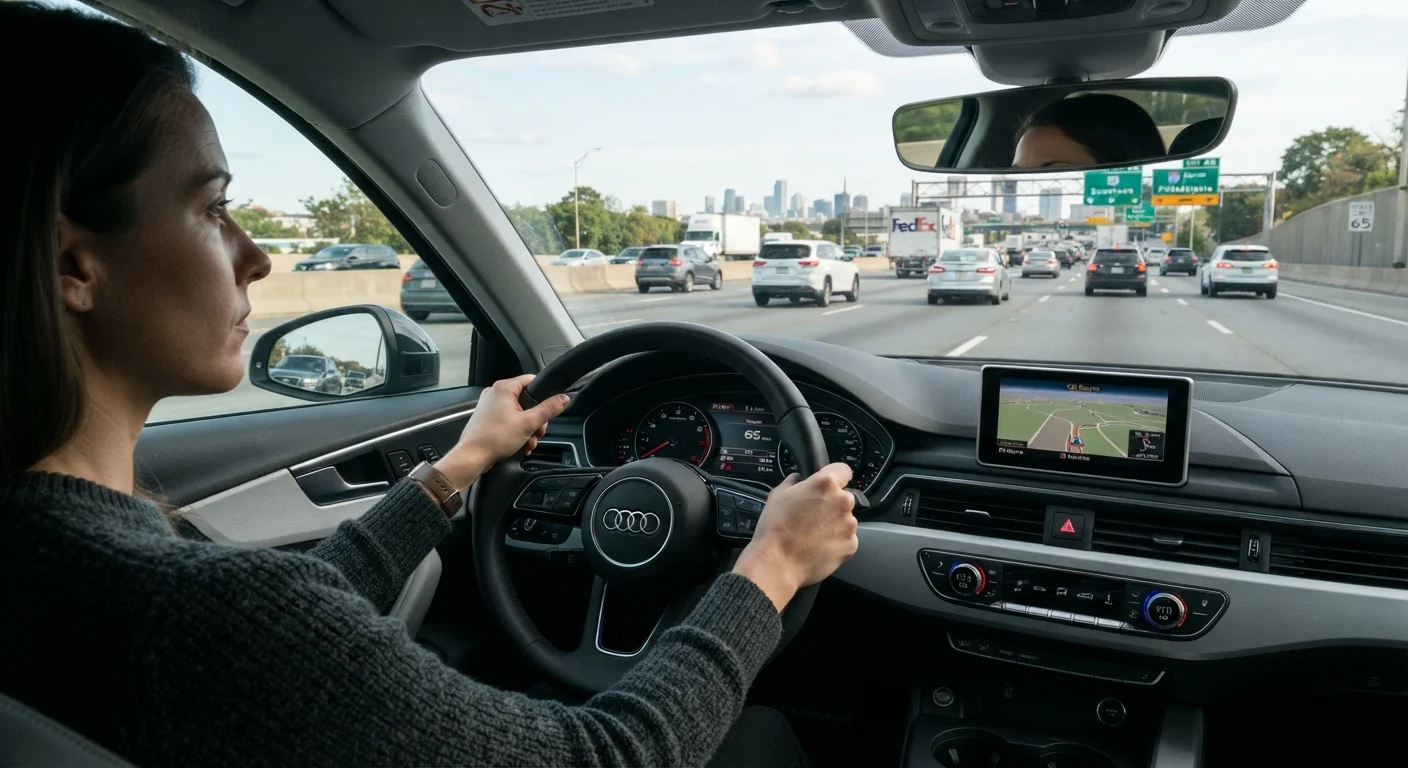
Defensive driving is a structured set of habits and mental skills that help you anticipate and respond to hazards before they become emergencies. It goes beyond obeying traffic laws — it means actively scanning your environment, maintaining safe distances, and expecting unpredictable behavior from other road users. The goal is to reduce collision risk by staying one step ahead rather than simply reacting.
Defensive driving principles are codified by organizations such as the National Safety Council (NSC) and the American Automobile Association (AAA), and form the basis of many state-approved driver improvement courses.
More Than Just Being a 'Good Driver'
Most drivers consider themselves careful — and most aren't wrong, up to a point. They stop at red lights, use their mirrors, and don't text at the wheel. But being law-abiding and being a defensive driver are different things. Defensive driving asks you to do something harder: expect the unexpected, even when traffic looks normal and conditions seem fine.
The concept is built on one honest premise — you can't fully control what other drivers, pedestrians, cyclists, or the road itself will do. What you can control is how much time and space you give yourself to respond. That buffer is what defensive driving is really about.
As a complement to this mindset, it's worth reading about why experienced drivers are often the ones who take the most risks — familiarity behind the wheel can quietly erode the vigilance that made you a safe driver in the first place.
94%
Of serious crashes with a human behavior factor
The NHTSA has attributed approximately 94% of serious motor vehicle crashes to human choice or error, underscoring why driver behavior — not just road conditions — drives risk.
3 sec
Minimum recommended following distance
The three-second following distance rule is widely endorsed by driver safety organizations including the NSC as a practical baseline for most road conditions.
~1 in 101
Lifetime odds of dying in a motor vehicle crash
According to the National Safety Council's Injury Facts data, the lifetime odds of dying in a motor vehicle crash highlight why consistent safe driving habits matter across every trip.
The Core Habits That Define It
Defensive driving isn't a single technique — it's a cluster of habits that work together. Here are the ones that make the biggest practical difference:
- Scan ahead, not just in front. Look 10–15 seconds down the road, not just at the bumper ahead of you. This gives you time to identify slowing traffic, merging vehicles, or road hazards before they're an immediate problem.
- Maintain a following distance cushion. The three-second rule — counting how long it takes you to reach a marker the car ahead just passed — is a reliable minimum. In rain, fog, or heavy traffic, extend it further. See our guide to driving in rain, snow, and fog for how following distance should change in poor conditions.
- Assume others will make mistakes. This isn't pessimism — it's the engine of defensive driving. If you expect the car next to you might drift or brake suddenly, you'll naturally position yourself to handle it.
- Minimize your own distractions. Phones are the obvious culprit, but fatigue, emotional stress, and even loud conversations are meaningful impairments. Defensive driving requires your full attention, consistently.
- Control your speed relative to conditions. Speed limits reflect optimal conditions. At night or in bad weather, slower than the limit may be the appropriate choice. Night driving hazards reduce your reaction window in ways most drivers underestimate.
Practice the Commentary Drive
On your next trip, narrate out loud what you see: 'Car merging left,' 'pedestrian near crosswalk,' 'truck braking ahead.' This technique, sometimes called a commentary drive, trains your brain to scan actively rather than passively. Even five minutes of it on a familiar route can reveal how much you normally miss.
Where Defensive Driving Gets Tested Most
Certain environments make defensive driving harder — and matter more. Urban roads pack in cyclists, pedestrians, unpredictable turns, and frequent stops in tight spaces. Safe driving in urban areas demands heightened scanning and slower speeds at intersections specifically because hazards appear from more directions at once.
Highway driving presents a different challenge: speeds are higher, the margin for error shrinks, and lane changes happen fast. Understanding motorway merging and lane discipline is part of applying defensive principles on fast-moving roads — keeping space during merges, avoiding blind spots, and not camping in others' blind spots yourself.
If you're newer to driving, safe driving from scratch walks through how to build these habits from day one, before less careful patterns have a chance to form.
“The goal of defensive driving is to reduce risk by anticipating dangerous situations despite adverse conditions or the mistakes of others.”
— National Safety Council, Leading US nonprofit focused on eliminating preventable deaths
Putting It Into Practice Every Day
The gap between knowing defensive driving principles and actually using them comes down to deliberate repetition. A few practical ways to close that gap:
- Before pulling into traffic, take a full second to scan in both directions — even when you have the right of way.
- At stop signs and traffic lights, check cross traffic before moving, even on green. Other drivers run red lights.
- On highways, periodically ask yourself where your nearest escape route is if the car ahead stops suddenly.
- After any close call, treat it as information: what habit, if applied earlier, would have given you more margin?
None of these steps require special equipment or training. They require only the decision to treat every trip — not just difficult ones — as worth your full attention.
Formal defensive driving courses, available through programs like those offered by the NSC or AAA, can accelerate this process. They structure the habits into a curriculum and often include scenario-based exercises that reinforce the mindset more effectively than solo practice alone.