

Key Takeaways
Routine Car Service
A routine car service is a scheduled check-up where a mechanic inspects, tests, and replaces key components and fluids according to a set interval — typically mileage or time-based. It's designed to catch small problems before they become expensive repairs and to keep your vehicle running safely. Think of it as a physical exam for your car.
Service intervals and included tasks vary by manufacturer, vehicle age, and driving conditions. Always refer to your owner's manual for the intervals specific to your vehicle.
What a Service Actually Covers
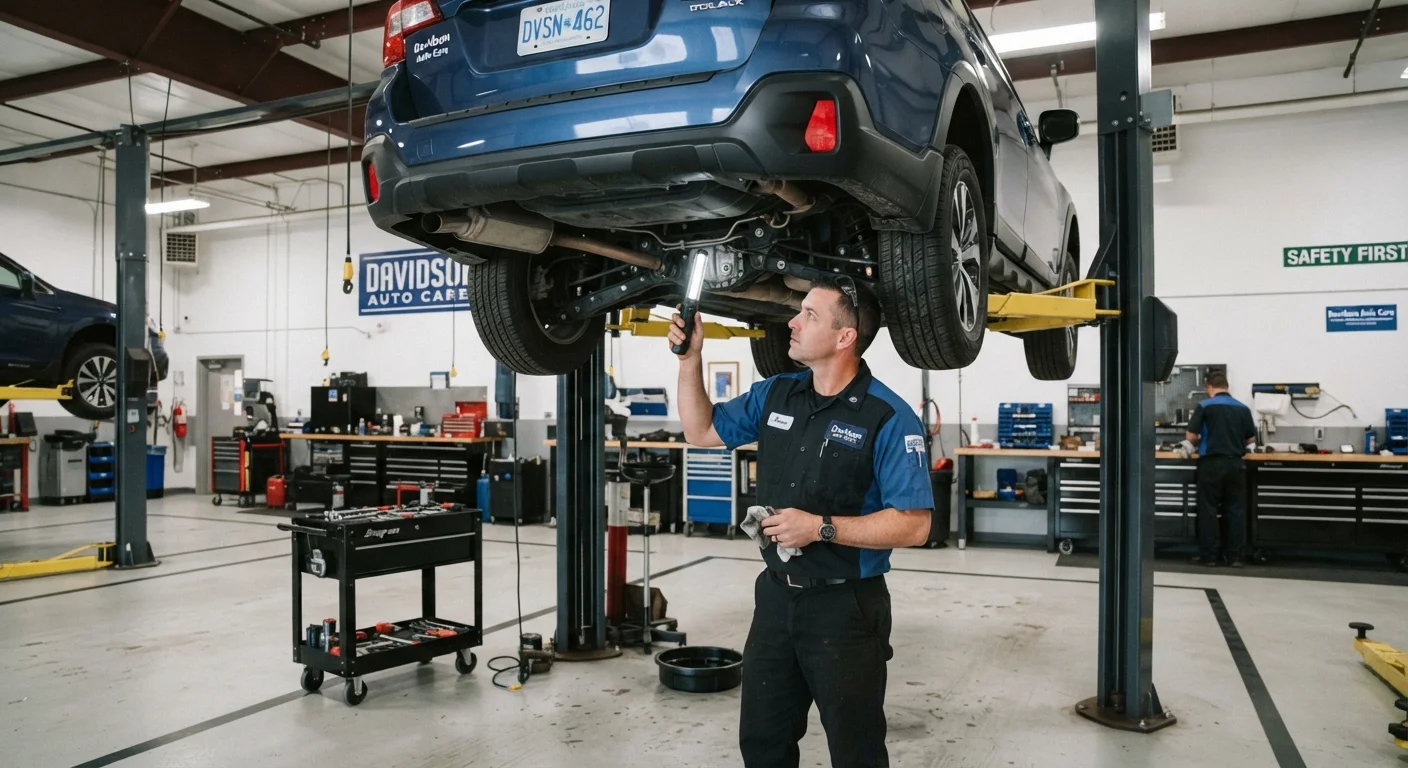
Many drivers assume a car service means an oil change and a quick look around the vehicle. In reality, a thorough service covers a systematic inspection of your car's critical systems. Here's what a mechanic is typically doing during a standard service:
- Oil and oil filter replacement: Old oil breaks down and carries contaminants that accelerate engine wear. Fresh oil and a new filter restore proper lubrication.
- Brake inspection: The mechanic checks pad thickness, rotor condition, and brake fluid level. Worn pads that go unnoticed can damage rotors — turning a straightforward replacement into a more expensive job.
- Fluid checks and top-ups: Coolant, transmission fluid, power steering fluid, and windshield washer fluid are all checked. See our guide to fluid checks for more detail on what each one does.
- Tire inspection: Tread depth, tire pressure, and signs of uneven wear are assessed. Uneven wear often signals a wheel alignment or suspension issue worth investigating.
- Air filter and cabin filter: A clogged air filter reduces engine efficiency. A dirty cabin filter affects air quality inside the car. Both are often overlooked — our article on overlooked maintenance tasks explains why these matter.
- Battery test: The mechanic checks charge and load capacity, especially important heading into colder months.
- Belts and hoses: Visual inspection for cracking, fraying, or wear — a snapped timing belt can cause serious engine damage.
A full or major service also includes spark plug replacement, a more detailed suspension check, and in some cases a transmission fluid change. The exact scope depends on your vehicle's age, mileage, and your manufacturer's schedule.
Why Skipping Services Costs More in the Long Run
It can be tempting to put off a service when the car seems to be running fine. But many developing problems produce no obvious symptoms until they reach a critical point. Low brake fluid, a weakening battery, or early coolant degradation are all invisible to the driver until something fails.
~$100
Typical cost of a basic oil and filter service
Industry estimates vary by region and vehicle type, but a basic service is consistently far less expensive than the repairs that result from neglecting one.
30%
Of roadside breakdowns linked to poor maintenance
AAA road assistance data has consistently shown that a significant share of breakdowns — including battery failures and flat tires — are preventable with routine upkeep.
Deferred maintenance compounds. A small oil leak ignored over several services can lead to engine damage that costs many times more than the services themselves. Our article on why 'it'll be fine' is often the wrong call covers how this pattern plays out in practice.
There's also a resale consideration. A documented service history is one of the first things a buyer — or dealer — examines. Gaps in records raise questions about how the vehicle was treated, and that uncertainty typically shows up in a lower offer. For more on this, see understanding your car's service schedule.
How to Get the Most From Each Service
Being an informed car owner doesn't require mechanical expertise — it just means knowing the right questions to ask and keeping basic records. A few practical habits make a significant difference:
Ask for a Prioritized Repair List
When a mechanic finds issues during a service, ask them to rank items by urgency — safety-critical, soon, and monitor. This lets you make informed decisions about what to address immediately versus what can wait until your next visit. A trustworthy shop will explain the reasoning without pressure.
- Bring your owner's manual or know your mileage. The mechanic can confirm whether you're due for any specific interval-based replacements.
- Ask for a written estimate before any work begins. A reputable shop will tell you what they found and what they recommend, ranked by urgency, without pressuring you to approve everything immediately.
- Keep your service receipts. Even a simple note in a folder with the date, mileage, and work done is better than nothing. This paper trail protects you at resale.
- Don't ignore warning lights between services. A check engine or oil pressure warning shouldn't wait until the next scheduled appointment. See our guide to keeping your car in good shape between services for habits that help catch issues early.
For a broader view of how service connects to seasonal conditions, the seasonal car maintenance checklist is a useful companion. And if you're unsure whether to use an independent shop or a dealer, finding a trustworthy mechanic walks through how to evaluate your options confidently.