

Key Takeaways
Summary
22 items · 20–40 minutes to review and prepare
Why Preventive Care Is the Cornerstone of Feline Health
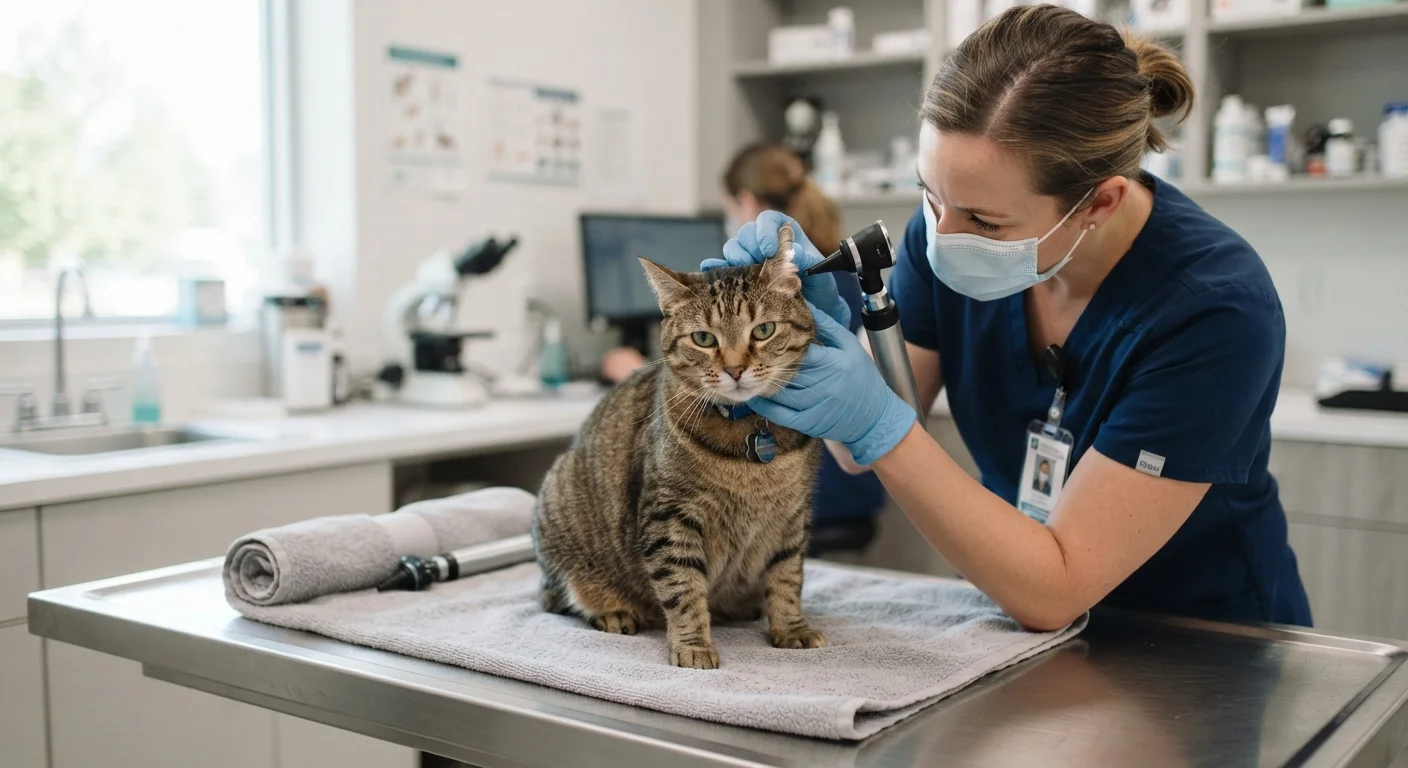
Cats are instinctively skilled at masking pain and illness — a survival trait inherited from their wild ancestors. By the time a problem becomes obvious to an owner, it may already be well advanced. Preventive care closes that gap: routine vet visits and at-home monitoring give you and your veterinarian the best possible chance of catching changes early, when they're most treatable.
This checklist is designed to help you prepare for annual wellness appointments, track what's due, and identify anything you may have overlooked at home. It covers the full scope of routine feline care — vaccinations, parasite control, dental health, nutrition, weight, and behavioral wellness. If you'd like broader context on common oversights, see our companion piece on things cat owners commonly get wrong about feline health.
For cats in their senior years (generally considered age 10 and older), your vet may recommend twice-yearly exams rather than annual ones. Our guide to cat lifespans and ageing stages outlines what changes at each life phase and why the exam frequency matters.
Indoor Cats Still Need Annual Exams
A common misconception is that indoor cats, because they have less exposure to other animals, don't require regular veterinary care. In reality, many serious feline conditions — including hyperthyroidism, chronic kidney disease, dental disease, and diabetes — develop from the inside out and have nothing to do with outdoor exposure. Annual exams are the primary tool for catching these conditions before they cause lasting harm. Do not skip a wellness visit simply because your cat appears healthy.
Tools and Records to Have Ready
Before any vet appointment, gathering the right materials makes the visit more productive for both you and your veterinarian.
Cat carrier
Safe, low-stress transport to and from the veterinary clinic — ideally left out at home so your cat is comfortable with it.
Vaccination and medical records
Allows your vet to review your cat's full history and avoid duplicate vaccines or missed boosters.
Fresh fecal sample
Required for intestinal parasite testing; collected within 24 hours of the appointment in a sealed container.
Written symptom notes
Helps you accurately describe behavioral or physical changes during the appointment without forgetting details.
Home weight log
Tracks weight trends between visits so you and your vet can identify gradual changes that may indicate a health issue.
List of current medications and supplements
Ensures your vet has a complete picture of what your cat is receiving before recommending any new treatments.
The Full Preventive Care Checklist
Work through these items in the weeks before and after each annual wellness exam. Items marked must are non-negotiable components of routine care; should items are strongly recommended for most cats; nice to have items add an extra layer of monitoring or enrichment.
Before the Appointment
Vaccinations
Parasite Prevention
Dental Health
Weight and Body Condition
Bloodwork and Diagnostics
Never Adjust Medications Without Veterinary Guidance
Some over-the-counter parasite preventives, pain relievers, and supplements marketed for pets are not safe for cats. Cats metabolize many compounds differently than dogs or humans, and some common ingredients — such as permethrin in certain flea products — are toxic to felines. Always confirm any new product with your veterinarian before use, and never give your cat a product labeled only for dogs.
Connecting the Dots: Nutrition, Enrichment, and Whole-Cat Wellness
Preventive care doesn't end at the clinic door. What your cat eats, how active she is, and how stimulated her environment keeps her are daily factors that directly affect her long-term health outcomes. Cats are obligate carnivores with specific nutrient requirements — understanding those needs helps you evaluate food choices more critically. Our article on feline nutrition and balanced diets explains the key nutrients and why common labeling can mislead owners.
Mental stimulation is equally important, especially for cats kept entirely indoors. Boredom and inactivity contribute to obesity, anxiety-related behaviors, and stress-related illness. For practical ideas, explore our piece on keeping an indoor cat mentally stimulated. Together with the checklist above, these form part of the complete picture of responsible cat ownership that every feline owner benefits from building over time.
This article is intended for general informational purposes only and does not constitute veterinary advice. Always consult a licensed veterinarian for guidance specific to your cat's health, medical history, and individual needs.