

| Number of systems monitored | Dozens — engine, transmission, brakes, emissions, tires, and more |
| OBD-II standardization year | 1996 (required on all U.S. passenger vehicles) (U.S. EPA / CARB mandate) |
| Most misunderstood light | Check Engine Light — can indicate 100+ different fault codes |
| Recommended action for red lights | Stop safely and address promptly; do not continue driving |
| Free diagnostic scans | Available at many auto parts retailers for check engine codes |
Why Warning Lights Exist (and Why You Shouldn't Ignore Them)
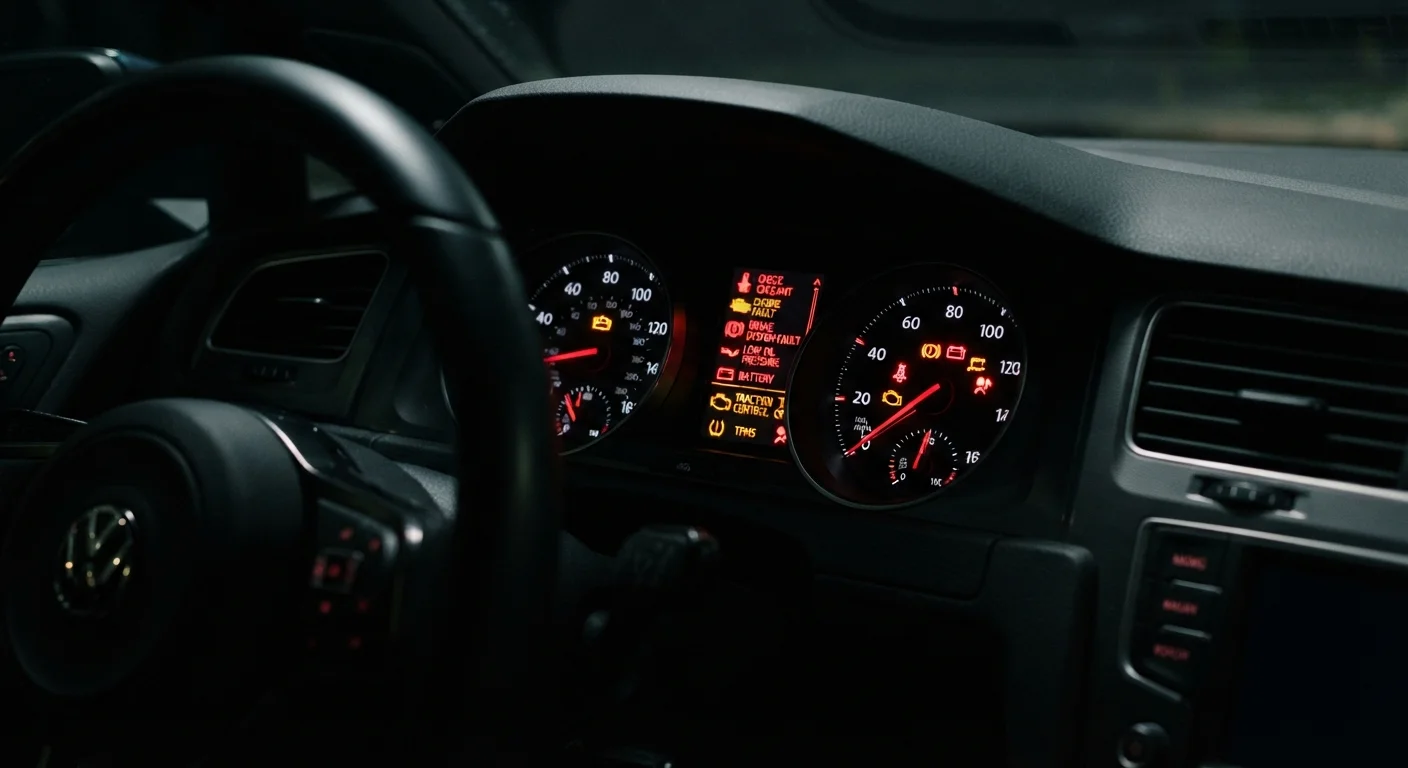
Modern vehicles monitor dozens of systems simultaneously, from engine temperature to tire pressure to emissions control. When something falls outside the normal range, your car's onboard diagnostics trigger a dashboard warning light to alert you. Think of these lights as early-warning signals — most aren't immediate emergencies, but none of them should be ignored or covered with a piece of tape.
Ignoring a warning light doesn't make the underlying problem go away. In many cases, a minor issue caught early is far cheaper to fix than one that's been allowed to develop. According to the Car Care Council, deferred maintenance is one of the leading contributors to roadside breakdowns in the U.S.
Your owner's manual remains the single most reliable reference for your specific vehicle's lights. If you don't have one, most manufacturers publish digital versions on their websites. That said, many symbols are standardized across the industry, so the guide below applies broadly to most passenger vehicles.
| Number of systems monitored | Dozens — engine, transmission, brakes, emissions, tires, and more |
| OBD-II standardization year | 1996 (required on all U.S. passenger vehicles) (U.S. EPA / CARB mandate) |
| Most misunderstood light | Check Engine Light — can indicate 100+ different fault codes |
| Recommended action for red lights | Stop safely and address promptly; do not continue driving |
| Free diagnostic scans | Available at many auto parts retailers for check engine codes |
The Most Common Warning Lights, Explained
Understanding what each light actually means — and the urgency level attached to it — helps you make a calm, informed decision rather than pulling over unnecessarily or, worse, driving on when you shouldn't be.
Check Engine Light (CEL)
An amber dashboard indicator that signals the vehicle's onboard diagnostic system has detected a fault. It can range from minor (loose gas cap) to serious (engine misfire) and requires a diagnostic scan to identify the specific code.
TPMS
Tire Pressure Monitoring System. A sensor-based system that alerts you when one or more tires drop below a safe pressure threshold, typically displayed as a horseshoe-shaped symbol with an exclamation mark.
OBD-II
On-Board Diagnostics, second generation. The standardized system used in most vehicles sold in the U.S. since 1996 that monitors engine and emissions systems and stores fault codes when a problem is detected.
Alternator
A generator driven by the engine that recharges the battery and powers electrical systems while the car is running. A failing alternator triggers the battery warning light.
Oil Pressure
The force at which engine oil is circulated through the engine. Low oil pressure means lubrication is inadequate, which can cause rapid and severe engine damage if the vehicle continues to run.
Stability Control
An electronic safety system that detects and reduces loss of traction by selectively applying brakes and adjusting engine power. A persistent warning light may indicate the system is malfunctioning.
Red Lights: Act Promptly
Red warning lights indicate conditions that need attention soon or immediately. A low oil pressure light (often an oil can symbol) means the engine isn't being lubricated properly. Pull over safely and turn off the engine as soon as you can — driving on low oil pressure can cause serious engine damage within minutes. The engine temperature light (a thermometer in liquid) signals overheating. Stop when safe, turn off the engine, and let it cool before checking coolant. See our guide to checking essential fluids for what to look for.
The battery/charging light typically means the alternator isn't keeping the battery charged. Your car may run for a short time on battery power alone, but the clock is ticking — head to a mechanic promptly.
Amber/Yellow Lights: Investigate Soon
Amber lights are advisory — they indicate something needs attention but aren't usually cause to pull over immediately. The check engine light is the most misunderstood of all. It can mean anything from a loose gas cap to a misfiring cylinder. A steady amber check engine light means schedule a diagnostic scan soon; a flashing check engine light indicates a more serious issue like an active misfire — reduce speed and have the car inspected promptly.
The tire pressure (TPMS) light — a cross-section of a tire with an exclamation point — activates when one or more tires fall below the recommended pressure. Check and inflate tires at a gas station; driving on significantly underinflated tires affects handling and fuel efficiency. For more context on car-care misconceptions, see common car myths that can cost you money.
The traction control or stability control light (often a car with wavy lines beneath) may flash during slippery conditions — that's the system working as intended. If it stays on, the system may be disabled or faulty.
When to Drive On vs. When to Stop
Not every warning light requires you to pull over immediately, but a few do. Use this general framework:
- Stop as soon as it's safe: Oil pressure, engine temperature (overheating), brake system warning (if pedal feels soft or spongy).
- Get it checked within a day or two: Steady check engine light, battery/charging light, low fuel warning.
- Schedule an appointment within a week: TPMS, traction/stability control (if not flashing during a slippery moment), service reminder lights.
When in doubt, a quick call to a trusted mechanic can help you gauge urgency without paying for an unnecessary visit. Many auto parts stores also offer free diagnostic code reads for check engine lights, which gives you a starting point before heading to a shop.
If you're new to car ownership, first-time owners share what they wish they'd known sooner — including exactly this kind of practical dashboard knowledge. Staying informed is one of the best habits you can build for safe driving.
This article provides general educational information about vehicle warning lights and is not a substitute for guidance from a qualified mechanic. Always consult your vehicle's owner's manual and a licensed automotive professional for diagnosis and repair.