

Key Takeaways
Prey Animal Illness Masking
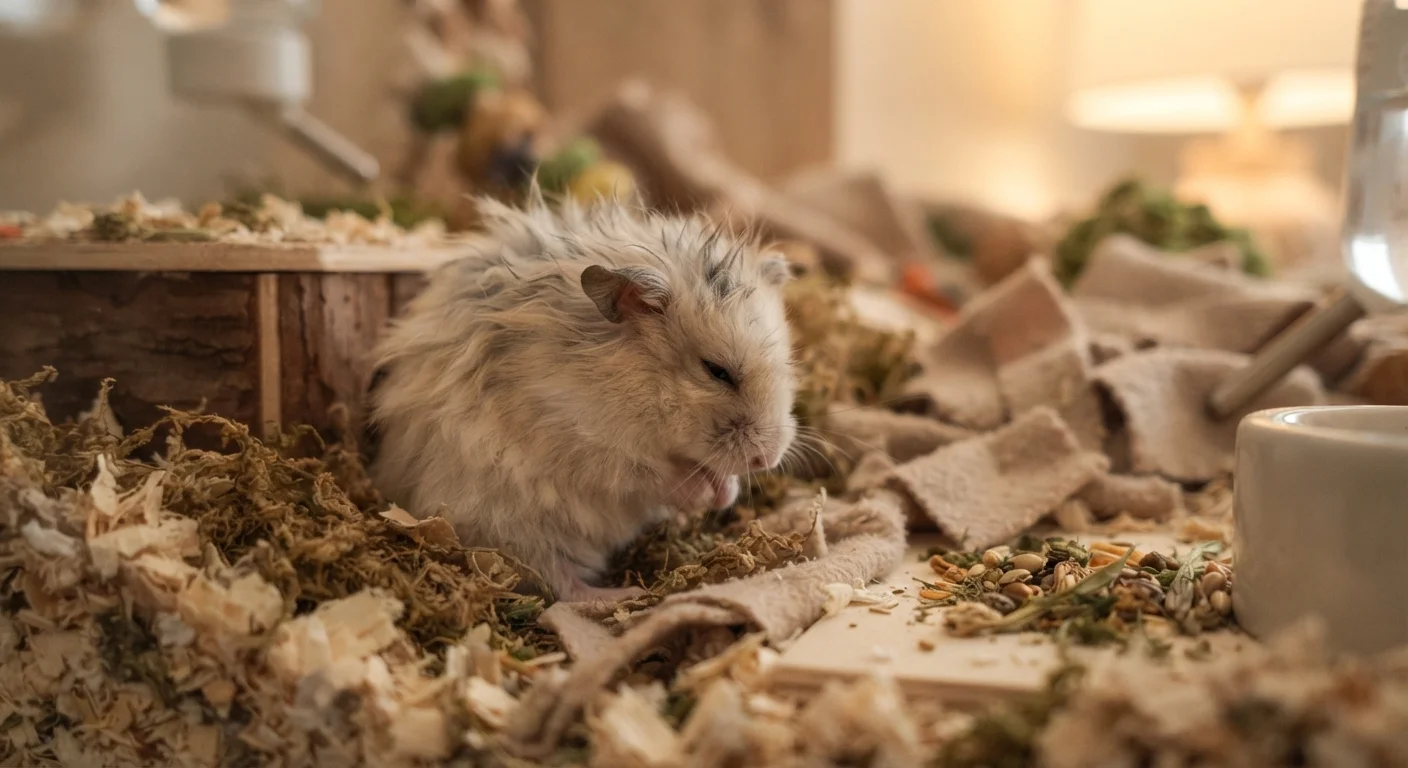
Many small pets — including rabbits, guinea pigs, hamsters, birds, and fish — instinctively conceal signs of illness as a survival mechanism. In the wild, appearing weak attracts predators, so these animals suppress visible symptoms until a condition is quite advanced. This means owners often see no obvious warning signs until a pet is critically ill.
This behavior is sometimes called 'stoic presentation' in veterinary contexts and is especially pronounced in prey species whose natural instinct is to blend into the group and avoid appearing vulnerable.
The Biology Behind the Speed of Decline
Small pets live fast. A hamster's resting heart rate can exceed 400 beats per minute; a rabbit's digestive system must stay in near-constant motion to avoid life-threatening GI stasis. These elevated metabolic rates sustain their small bodies — but they also mean that when something goes wrong, it goes wrong quickly.
Where a medium-sized dog might tolerate 48 hours of reduced appetite without immediate crisis, a guinea pig that stops eating for a day can develop fatty liver disease. A hamster that goes 12–18 hours without water in warm conditions risks fatal dehydration. The physiological margin for error is simply much narrower.
Understanding this isn't meant to cause alarm — it's meant to recalibrate how owners respond to subtle changes. What reads as "probably fine, let's watch it" in a larger animal may require same-day veterinary attention in a small one.
24–48 hrs
Time before GI stasis becomes life-threatening in rabbits
Veterinary exotic animal specialists commonly cite this window — a rabbit that stops eating or producing droppings for more than a day is in a medical emergency.
400+ bpm
Resting heart rate of a hamster
This elevated metabolic rate means hamsters process illness — and decline — at a pace far faster than larger companion animals.
~10 years
Average lifespan of a well-cared-for rabbit
Rabbits kept indoors with appropriate diet and regular veterinary care can reach 10–12 years, highlighting that attentive ownership significantly affects longevity.
Why These Animals Hide Symptoms So Effectively
Rabbits, guinea pigs, hamsters, gerbils, birds, and many other common small pets are prey species. Over millennia, natural selection has heavily favored individuals that conceal weakness — because appearing sick in the wild draws predators and triggers exclusion from social groups.
That survival instinct doesn't disappear in captivity. Your rabbit may be in significant pain and still hop to greet you at feeding time. Your parakeet may be seriously ill but continue vocalizing until the condition is advanced. This is not deception — it is a deeply hardwired biological behavior.
The practical implication for owners is significant: by the time a small pet displays unmistakable signs of illness — labored breathing, complete appetite loss, inability to move — the underlying condition is often already serious. Veterinarians who specialize in exotic animals frequently stress that early intervention, based on subtle cues rather than obvious ones, is what saves lives. See our species-by-species overview of illness warning signs for specifics on what to watch for in fish, birds, rabbits, and more.
“By the time a prey animal looks sick, it has often been sick for a while. Owners who know their pet's normal behavior are really practicing the most effective form of early medicine available outside the clinic.”
— Exotic Animal Veterinary Specialist, Veterinarian specializing in exotic and small animal medicine
Building a Baseline: Your Best Diagnostic Tool
Because small pets mask illness so effectively, the owner's most powerful tool is knowing what normal looks like for their specific animal. This means establishing a personal baseline through consistent daily observation.
Key things to track habitually include:
- Appetite and water intake: How much does your pet typically eat and drink in a day? Any meaningful deviation is significant.
- Droppings: Size, consistency, frequency, and color. For rabbits especially, cecotropes (soft night droppings) and fecal pellets both matter. Changes can indicate GI, dental, or systemic problems early.
- Activity and posture: A normally active animal that is sitting hunched, hiding, or unusually still is communicating something.
- Coat, feathers, or scales: Ruffled feathers, patchy fur, or abnormal skin markings are often early physical indicators.
- Breathing: Any visible effort in breathing, tail-bobbing in birds, or labored movement in fish warrants immediate attention.
Keeping brief mental or written notes helps you detect gradual changes that might otherwise go unnoticed over days or weeks.
Set a Simple Daily Observation Habit
Spend 2–3 minutes each day at the same time observing your small pet before you interact with it. Note appetite, posture, movement, and droppings. This brief routine builds the behavioral baseline that makes detecting early illness far more reliable than waiting for obvious symptoms to appear.
When to Act — and Who to Call
The threshold for contacting a veterinarian should be lower for small pets than many owners realize. If a small animal has not eaten in 12–24 hours, is showing any respiratory changes, has produced no droppings, or appears lethargic and withdrawn, these are not "wait and see" situations.
Crucially, not every veterinary clinic is equipped to treat exotic or small pets. Rabbits, rodents, birds, reptiles, and fish have entirely different physiology from dogs and cats, and require practitioners with species-specific training. Seek out a veterinarian who explicitly focuses on exotic or small animal medicine before an emergency arises — having that contact in advance saves critical time.
Fish owners face a different challenge: aquatic illness is often tied to water chemistry rather than infectious disease. Regular water testing and understanding parameters like ammonia, nitrite, and pH are essential. Our guide to common fish-keeping mistakes covers how water quality errors can trigger rapid fish decline.
Annual wellness exams — even for animals that seem healthy — allow a vet to establish a health record and catch subclinical issues before they escalate. Consider this the equivalent of preventive care, which is as relevant for small pets as it is for any other animal in the household.
This article provides general educational information for pet owners and is not a substitute for professional veterinary advice. If you are concerned about your pet's health, consult a qualified veterinarian promptly.