

Key Takeaways
Option A
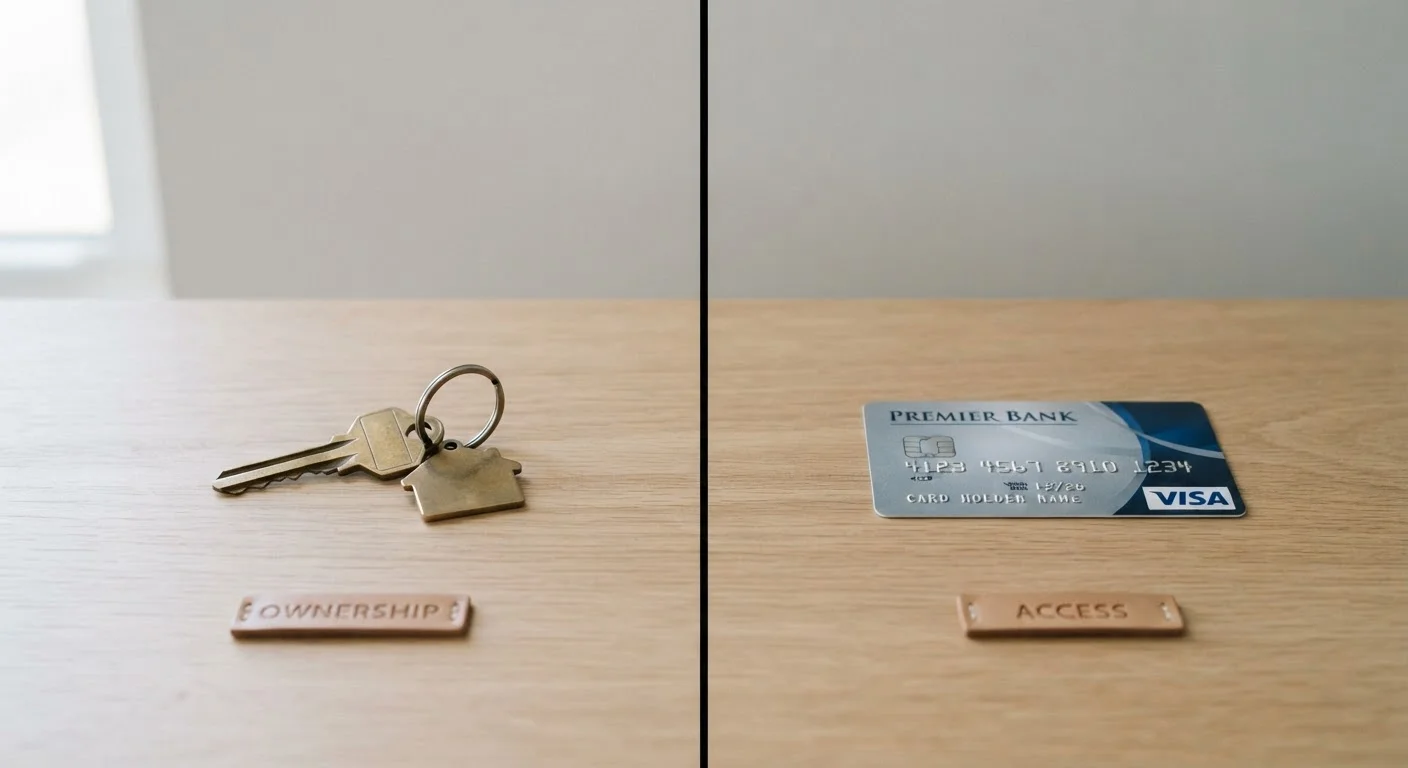
Secured Debt
Debt backed by a specific asset the lender can claim.
Best for: Borrowers financing major purchases like a home or vehicle who can accept collateral terms in exchange for lower rates.
Option B
Unsecured Debt
Debt based entirely on your creditworthiness — no asset attached.
Best for: Borrowers who need flexible access to credit without pledging a specific asset as collateral.
If you're financing a home or vehicle purchase
Secured Debt
Mortgages and auto loans are structured as secured debt, typically offering lower rates because the property serves as collateral.
If you need short-term flexible borrowing without pledging assets
Unsecured Debt
Credit cards and personal loans require no collateral, making them accessible for everyday expenses or emergencies — though rates are usually higher.
If you're trying to reduce your overall interest costs
Secured Debt
Collateral reduces lender risk, which generally translates to lower interest rates compared to unsecured borrowing options.
If you're already carrying multiple debts and want clarity on repayment order
Secured Debt
Secured debts often warrant higher repayment priority because defaulting can cost you your home or car — not just your credit score.
The Core Difference: Collateral
The single biggest distinction between secured and unsecured debt is collateral — an asset you pledge to the lender as a guarantee. With secured debt, if you stop making payments, the lender has a legal right to take that asset to recover what you owe. With unsecured debt, no specific asset is tied to the loan.
Common examples of secured debt include mortgages (backed by your home), auto loans (backed by your vehicle), and secured credit cards (backed by a cash deposit). Common examples of unsecured debt include standard credit cards, personal loans, medical bills, and student loans.
This collateral arrangement changes the entire risk profile of the loan — for both the lender and for you. For a broader look at how different debt types are categorized, see our debt and credit glossary.
| Criterion | Secured Debt | Unsecured Debt |
|---|---|---|
| Collateral required | Yes — specific asset pledged | No asset required |
| Common examples | Mortgage, auto loan, secured card | Credit card, personal loan, medical debt |
| Typical interest rate | Generally lower | Generally higher |
| Lender risk level | Lower (asset backstop) | Higher (credit-based only) |
| Default consequence | Repossession or foreclosure | Collections, judgment, garnishment |
| Typical loan term | Can be long (e.g., 30 years) | Usually shorter (1–7 years) |
What Happens When You Default
Defaulting on either type of debt is serious, but the immediate consequences differ significantly.
With secured debt, the lender's remedy is relatively direct. Miss enough mortgage payments and you face foreclosure — the lender can sell your home to recover the balance. Stop paying your auto loan and repossession can happen quickly, sometimes without a court order, depending on your state's laws. The Consumer Financial Protection Bureau (CFPB) notes that lenders are required to follow specific notice and process rules, but the end result can still mean losing property you rely on daily.
With unsecured debt, the lender has no asset to seize immediately. Instead, they may send the debt to collections, report the delinquency to credit bureaus, or eventually sue you in civil court to obtain a judgment. A court judgment can then lead to wage garnishment or bank account levies in many states — so while the path is less immediate, the consequences are still real and disruptive.
20%+
Average credit card interest rate (APR)
Federal Reserve data has shown average credit card rates exceeding 20% APR in recent reporting periods, far above typical secured loan rates.
1 in 10
Mortgage holders who have experienced delinquency
CFPB research has documented the wide-reaching financial impact of mortgage delinquency and foreclosure on households over time.
This is why financial counselors often recommend prioritizing secured debt payments when money is tight — the most immediate, tangible losses typically come from secured defaults.
Interest Rates and Terms: Why Collateral Matters to Lenders
Lenders price risk. Because secured debt comes with a built-in recovery mechanism, lenders take on less risk — and they generally pass some of that reduced risk to borrowers in the form of lower interest rates.
Mortgage rates and auto loan rates are typically far below the rates charged on credit cards or unsecured personal loans. According to Federal Reserve data, average credit card interest rates have historically run significantly higher than average mortgage rates. That gap reflects the lender's greater exposure on unsecured products.
Loan terms also tend to differ. Secured loans often carry longer repayment periods — a 30-year mortgage is possible precisely because the home provides ongoing security throughout the loan's life. Unsecured personal loans usually max out at five to seven years. For a closer look at one common unsecured product, our article on the trade-offs of carrying a credit card balance breaks down the real cost of revolving debt.
Putting It Together: Smart Questions to Ask Yourself
Knowing whether a debt is secured or unsecured should inform how you manage it — especially when you're juggling multiple obligations or considering consolidation.
- Do I know which of my debts are secured? Check your loan agreements. If a lender took a lien on property, the debt is secured.
- Am I prioritizing secured debt payments during tight months? Losing your home or car is often harder to recover from than credit score damage alone.
- Am I taking on unsecured debt at high interest rates to cover secured debt payments? That can compound problems quickly.
If you're carrying several debts and exploring ways to simplify payments, see our guide on how debt consolidation works — the type of debt involved matters a great deal for whether that strategy makes sense. And if you're thinking about debt more broadly, the good debt vs. bad debt framing is worth examining critically.
This article is for general informational and educational purposes only and is not personalized financial or legal advice. For guidance specific to your situation, consider speaking with a licensed financial counselor or advisor.