

| Warning light colors | Red = urgent, Amber = investigate soon, Green/Blue = informational |
| Flashing check engine light | Indicates active engine misfire — stop driving and seek service |
| TPMS trigger threshold | Activates when tire pressure drops 25% or more below recommended level (U.S. NHTSA TPMS standard) |
| First reference for symbols | Your vehicle's owner's manual — symbols vary by manufacturer |
| OBD-II standard adoption | Required on all cars sold in the U.S. since 1996 (U.S. EPA / CARB standard) |
Why Warning Lights Exist — and Why You Shouldn't Ignore Them
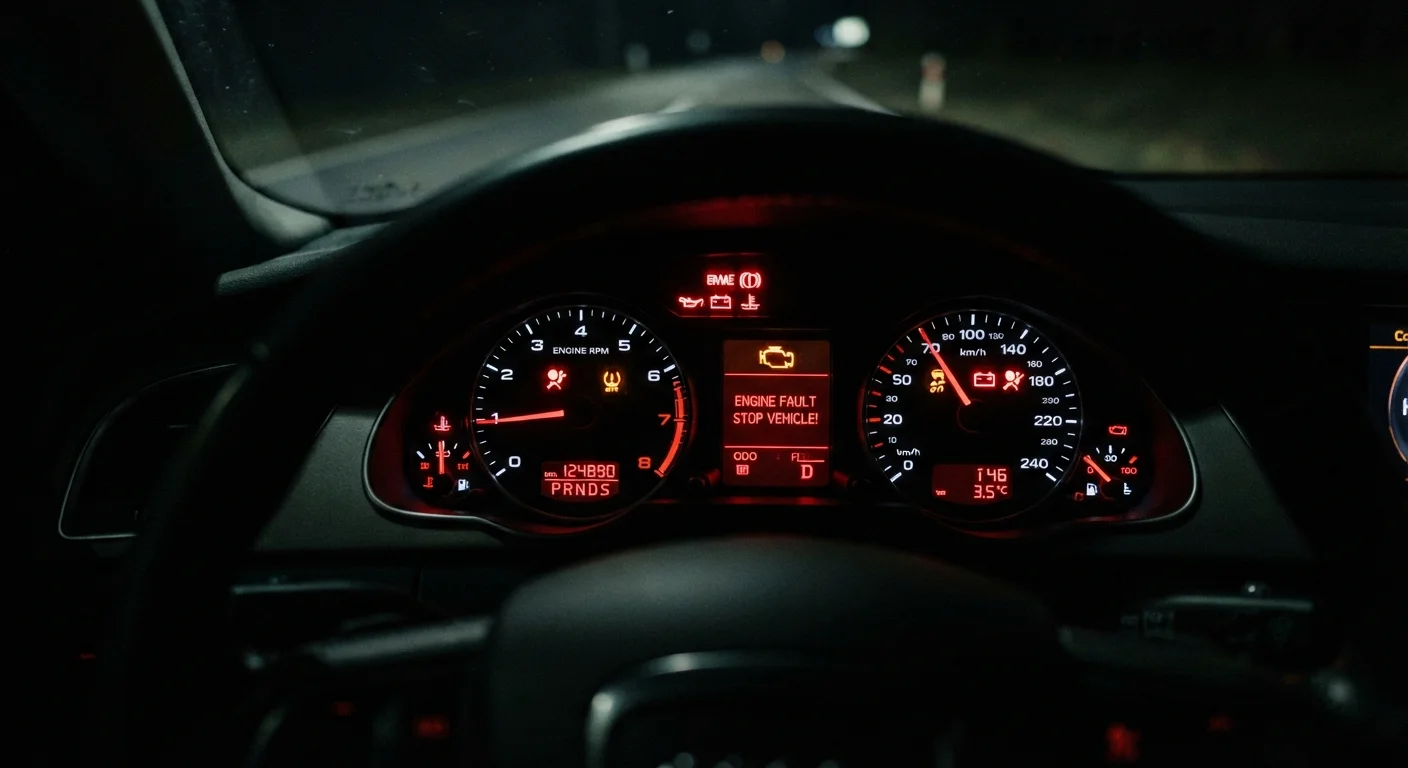
Your car's onboard diagnostic system monitors dozens of components simultaneously — engine performance, fluid levels, emissions, safety systems, and more. When something falls outside normal parameters, it triggers a dashboard warning light. These lights are categorized by urgency: red means stop or act immediately, amber/yellow means investigate soon, and green or blue are typically informational (your high beams are on, for example).
Ignoring a warning light rarely makes the underlying issue go away. In many cases, it accelerates damage. A small oil pressure problem left unaddressed, for instance, can lead to engine failure within miles. Think of these symbols as your car communicating — they deserve a response, not a piece of tape over them.
If you're unsure what a light means, your owner's manual is always the first place to check. Different manufacturers occasionally use slightly different symbols, so the manual specific to your vehicle is the most reliable reference.
| Warning light colors | Red = urgent, Amber = investigate soon, Green/Blue = informational |
| Flashing check engine light | Indicates active engine misfire — stop driving and seek service |
| TPMS trigger threshold | Activates when tire pressure drops 25% or more below recommended level (U.S. NHTSA TPMS standard) |
| First reference for symbols | Your vehicle's owner's manual — symbols vary by manufacturer |
| OBD-II standard adoption | Required on all cars sold in the U.S. since 1996 (U.S. EPA / CARB standard) |
The Warning Lights You're Most Likely to See
Here's a plain-language breakdown of the most common dashboard symbols and what they're actually signaling.
Check Engine (Engine Management) Light
This amber light — often an engine outline — is one of the most misunderstood. It can mean anything from a loose gas cap to a misfiring cylinder. A solid check engine light usually means you have time to get a diagnostic scan done soon; a flashing check engine light signals an active misfire and calls for pulling over and calling for service. A mechanic can read the stored fault code with an OBD-II scanner to pinpoint the cause.
Oil Pressure Warning
This red oil can symbol is serious. It doesn't necessarily mean your oil is low — it means the system isn't maintaining adequate pressure. Pull over safely, turn off the engine, and check the oil level. If it's full, don't drive the car; low pressure can destroy an engine in minutes. Call a mechanic.
Battery / Charging System
A red battery symbol means the electrical charging system isn't working correctly. The alternator may be failing, or there could be a loose or corroded connection. Your car may keep running for a short time on battery power alone, but don't count on it — get to a safe location and have it checked.
Coolant Temperature Warning
A red thermometer symbol means the engine is overheating. Pull over, turn off the engine, and let it cool before checking the coolant reservoir. Never open the radiator cap on a hot engine. Driving on an overheated engine risks serious, expensive damage.
Tire Pressure Monitoring System (TPMS)
This amber symbol (an exclamation mark inside a horseshoe) means one or more tires are significantly underinflated. Check all four tire pressures with a gauge when the tires are cold. Underinflated tires affect handling, fuel efficiency, and wear. Note that TPMS does not replace regular manual pressure checks — it only triggers when pressure drops well below the recommended level.
Brake System Warning
If this red light appears while driving (and the parking brake is fully released), it could indicate low brake fluid or a fault in the braking system. Have it inspected promptly. Brakes are safety-critical — don't delay. See what first-time car owners learn the hard way about not dismissing brake symptoms.
ABS (Anti-lock Braking System) Warning
An amber ABS light means the anti-lock braking system has a fault. Your regular brakes should still work, but the ABS that prevents wheel lock-up during hard braking may not. Have it diagnosed soon.
OBD-II Scanner
A diagnostic tool that plugs into your car's onboard diagnostic port (usually under the dashboard) to read fault codes stored by the vehicle's computer. These codes help pinpoint the source of a warning light.
TPMS
Tire Pressure Monitoring System. A sensor-based system that alerts you when one or more tires drop significantly below the recommended inflation pressure.
ABS
Anti-lock Braking System. An active safety feature that prevents wheels from locking up during hard braking, helping the driver maintain steering control.
Alternator
The component that recharges your car's battery while the engine runs and powers the electrical system. A failing alternator can drain the battery and cause the charging system warning light to appear.
Fault Code
A diagnostic trouble code (DTC) stored by your vehicle's onboard computer when a sensor reading falls outside acceptable limits. Mechanics read these codes to identify the source of a warning light.
What to Do When a Light Comes On
The right response depends on the light's color and whether any drivability change accompanies it. A good general rule: red lights with symptoms (loss of power, strange sounds, overheating) mean stop driving. Amber lights without symptoms mean schedule service within the next day or two — don't wait for weeks.
Getting a fault code read is often inexpensive or even free at many auto parts stores. That code narrows down the problem before you even talk to a mechanic, which can make conversations about repairs more informed. For a broader picture of what routine maintenance actually covers, see our guide on understanding your car's service schedule.
Never assume a warning light is a false alarm without verification. Sensors do occasionally malfunction, but that determination should be made by a qualified mechanic — not by waiting to see if the light goes off on its own. You can also brush up on common car myths that can cost you money, since misunderstandings about warning lights are among the most expensive.
This article provides general educational information about vehicle warning lights. Always consult a qualified mechanic for diagnosis and repair of any vehicle fault.