

Key Takeaways
Why Batteries Die Before Their Time
A quality car battery should last three to five years under normal driving conditions. When you find yourself replacing one every twelve to eighteen months, the battery itself is rarely the whole story. Something in the way the vehicle is used, maintained, or charged is shortening its life — and replacing the battery without addressing the root cause just restarts the same countdown.
The good news is that most premature battery failures trace back to a handful of very common, very fixable mistakes. Understanding them puts you back in control of both your battery's lifespan and your repair budget.
For a broader look at the habits that keep cars running well past high mileage, see our guide on long-term car care habits.
Taking mostly short trips that never fully recharge the battery.
Why it happens: Many drivers use their car primarily for brief errands — school runs, grocery store visits, a few miles each way. Each start draws heavily on the battery, and short trips don't give the alternator enough time to replenish what was used.
Leaving electronics running while the engine is off.
Why it happens: It's easy to forget about phone chargers, interior lights, or infotainment screens that stay active after you've parked. Even small draws — known as parasitic drains — can deplete a battery overnight or within a few days.
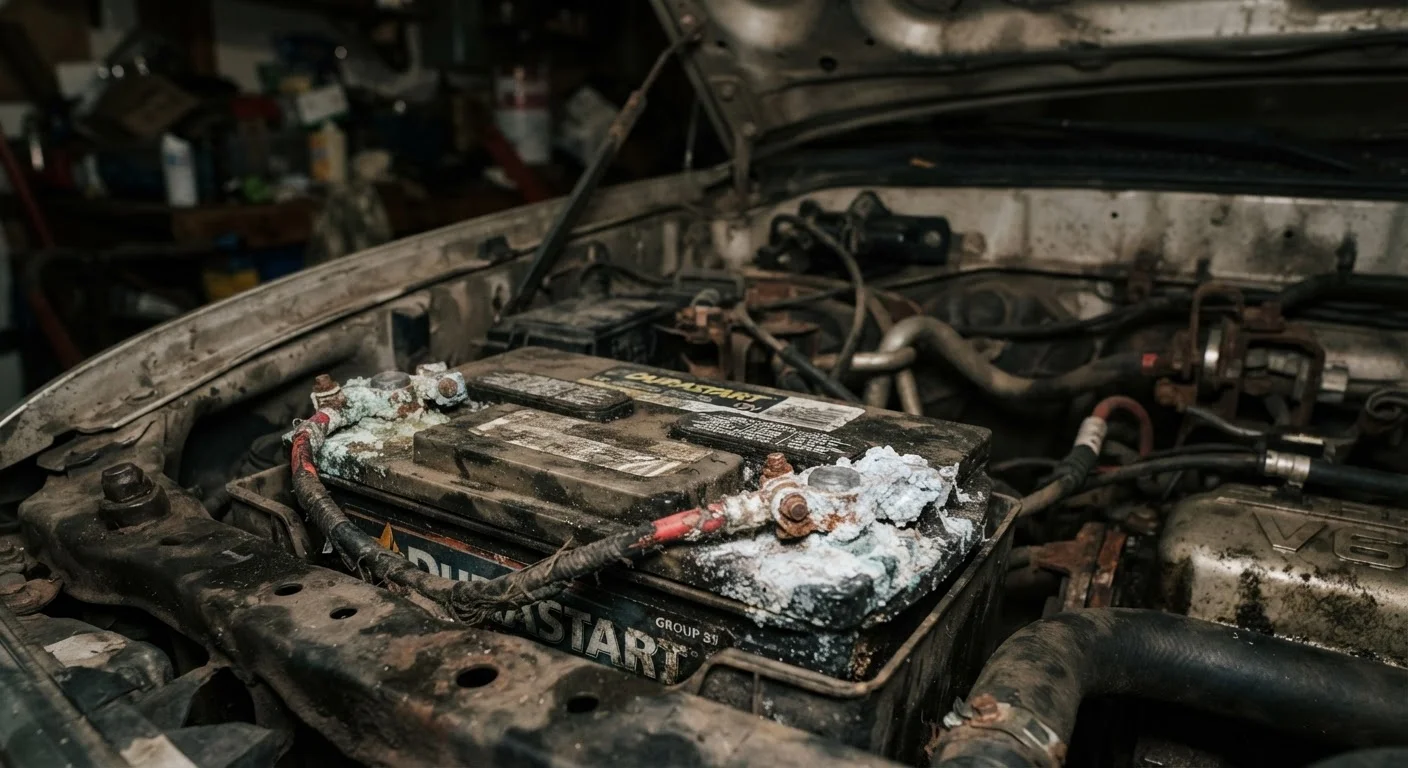
Ignoring corroded or loose battery terminals.
Why it happens: Terminal corrosion builds up slowly and is easy to overlook during a quick visual check. Drivers often don't associate poor starting performance with a connection problem — they assume the battery itself is failing.
Not catching a failing alternator before it kills the battery.
Why it happens: The alternator charges the battery while the engine runs. When it starts to fail, the battery has to compensate — and it depletes faster than normal. Many drivers replace the battery, feel relieved briefly, then face the same dead battery weeks later.
Exposing the battery to prolonged temperature extremes without any preparation.
Why it happens: Heat accelerates internal battery degradation; cold reduces its ability to deliver starting power. Drivers in extreme climates often don't realize that their battery may need replacement sooner than the general three-to-five-year window.
How to Keep Your Battery Healthier for Longer
Avoiding the mistakes above goes a long way, but a few proactive habits reinforce battery health even further.
3–5 years
Typical car battery lifespan
AAA data indicates most conventional lead-acid batteries last between three and five years, with climate and usage patterns as key variables.
~61%
Battery failures with no warning
According to AAA research, roughly six in ten battery failures happen without prior warning symptoms, underscoring the value of proactive testing.
Get the battery tested annually. Most auto parts stores and many service shops will test your battery and charging system for free. Testing takes a few minutes and gives you an early warning before you're stranded. This is especially worthwhile before winter, when cold temperatures sap starting power — it's one of the checks covered in a seasonal maintenance routine.
Clean terminals periodically. A light buildup of corrosion is normal over time. Cleaning it with a mixture of baking soda and water, and a stiff brush, improves electrical contact and reduces strain on the battery. Disconnect the negative terminal first and always consult your owner's manual if you're unsure about the procedure — or have a qualified mechanic handle it.
Drive longer when you can. If your schedule is full of short errands, try combining trips or occasionally taking a slightly longer route to give the alternator time to recharge the battery properly.
Building these checks into your regular routine pays off. The small habits you maintain between service appointments are often what determine whether a battery reaches its full lifespan or falls short of it.
Don't Skip the Alternator Test
If your battery dies and you simply install a new one without testing the alternator and charging system, you may repeat the problem within weeks. A failing alternator will drain a brand-new battery just as efficiently as it did the old one. Always have both components evaluated together — most shops can do this in a single visit.